New Year, New Habits - 5 Best Practices to Incorporate Into Your Car Care Routine

December 19, 2025

A new year is a good excuse to reset your car habits. Most drivers intend to take better care of their vehicle, but life gets busy, and maintenance turns into a reaction to warning lights and strange noises. A simple set of routines you can actually follow will do more for your car than any fancy gadget or one-time resolution.


1. Stick To A Realistic Maintenance Schedule


The most useful schedule is the one you can keep. Instead of chasing every suggestion you see online, start with the factory maintenance chart in your owner’s manual and adjust it to your real driving. Short trips, heavy traffic, and hot weather usually mean following the “severe use” column, even if you never think of your driving as severe.


From there, tie services to mileages and seasons you will remember. For example, oil and filter changes every 6,000 to 7,000 miles, a quick inspection at the start of summer and winter, and a reminder on your calendar when bigger items like coolant, brake fluid, or spark plugs are coming up. When you see services as planned events instead of emergencies, the whole year feels less stressful and more predictable.


2. Make Fluid Checks Part Of Your Monthly Routine


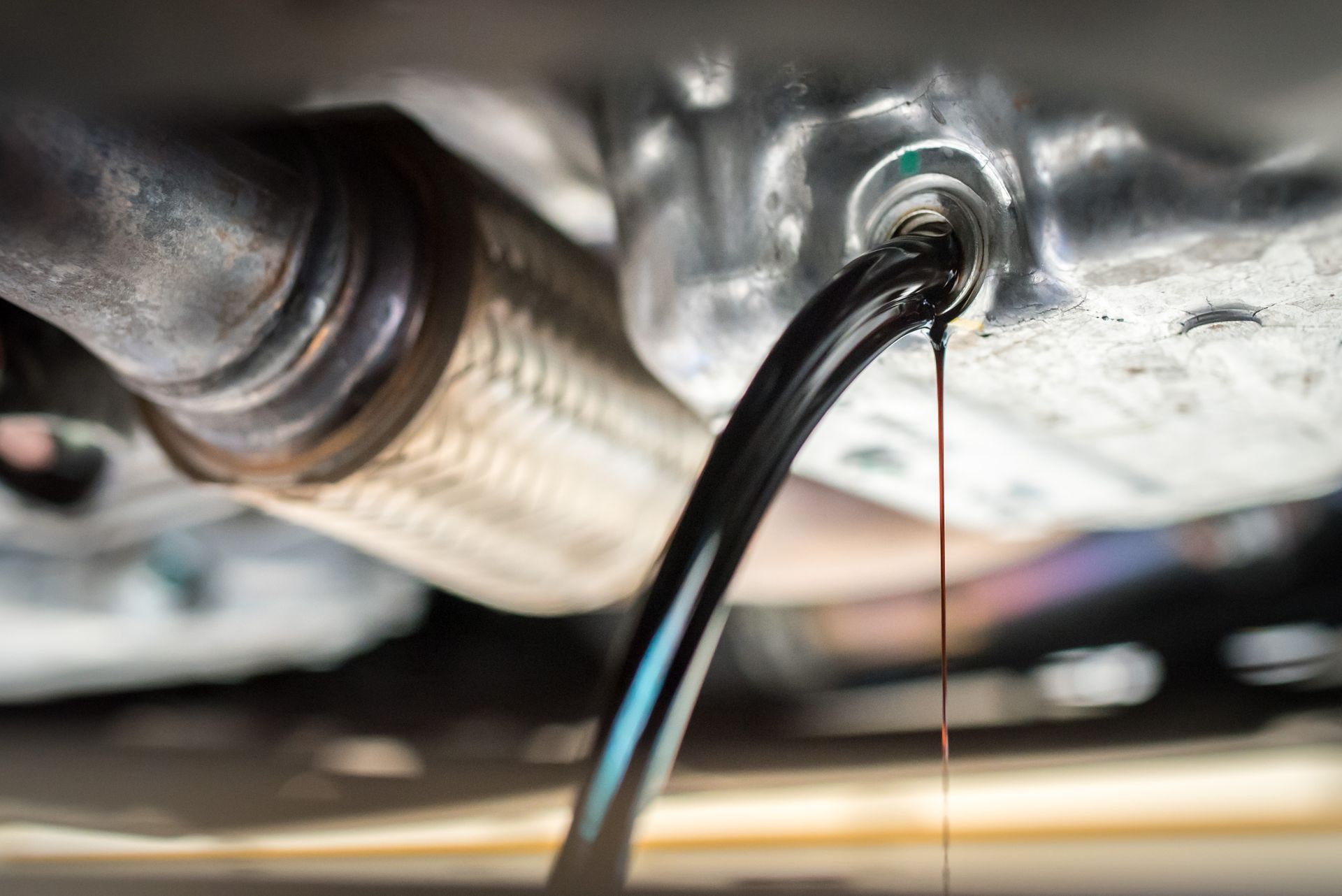
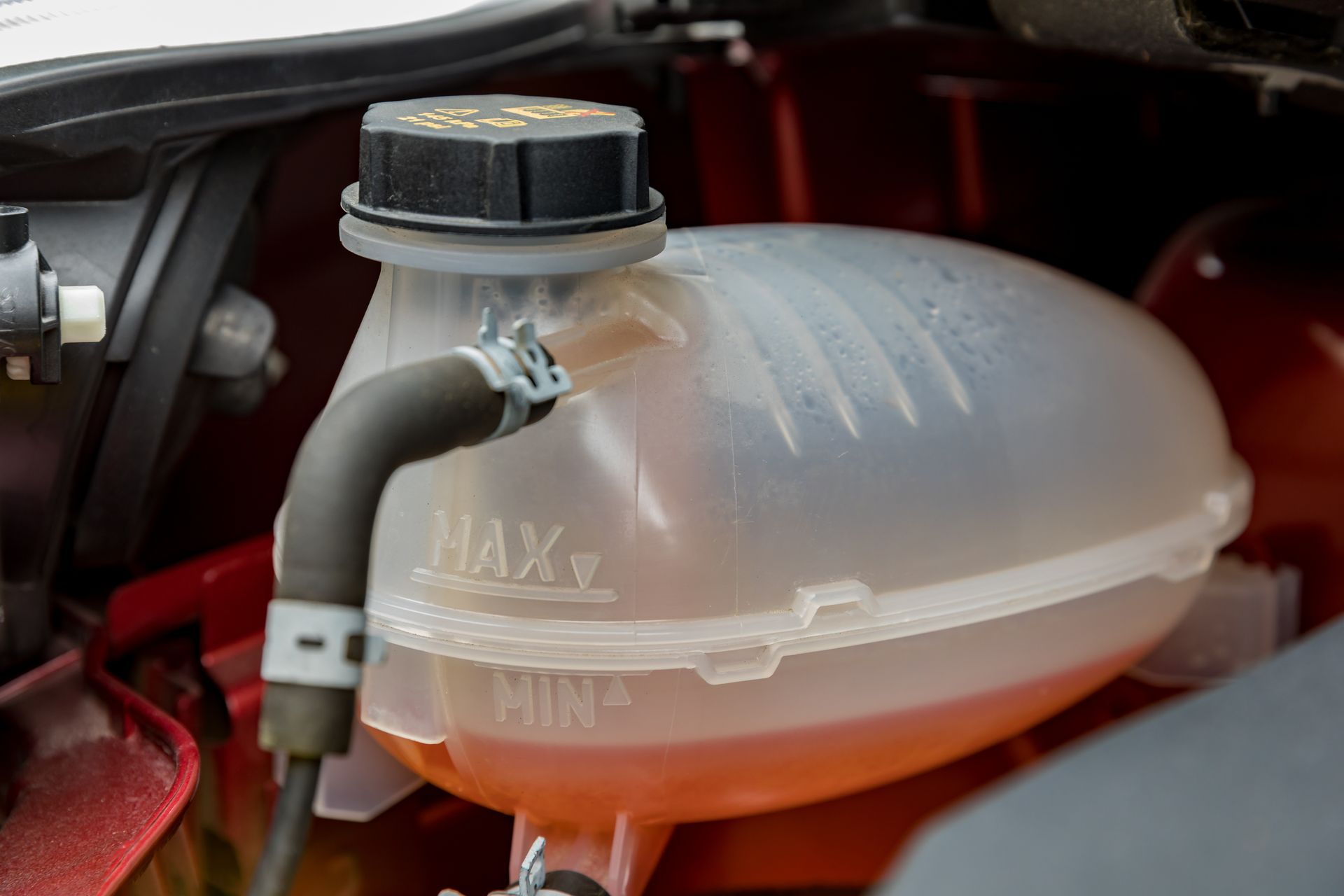
Fluids are where you often catch problems before they become expensive. Once a month, set aside a few minutes when the engine is cool and the car is parked on level ground. Pop the hood and look at:


You do not need to be an expert to notice a low reservoir, milky fluid, or a fresh leak. If something looks off, snap a photo and mention it at your next visit. As technicians, we would much rather investigate a small change early than meet your car for the first time on a tow truck.


3. Protect Your Tires With Simple Habits


Tires are the only part of the car that actually touch the road, and they quietly take a beating every day. A few low-effort habits go a long way. Check pressures monthly, and any time the temperature swings sharply. Underinflated tires run hot, wear on the edges, and hurt fuel economy, while overinflated ones wear in the center and grip less in wet conditions.


Glance at the tread when you are fueling up. If you see one edge wearing faster or the front tires looking more worn than the rear, rotation or alignment is due. Try to avoid hitting potholes and curbs head-on, and slow down for speed bumps. Those impacts travel directly into the suspension and wheel, which is how bent rims and knocked-out alignment usually start.


4. Listen, Feel, And Smell For Early Warning Signs


Your senses are a powerful early-warning system when you pay attention. Turn the radio down now and then and notice how the car sounds and feels on a familiar stretch of road. New noises, vibrations, or smells are often your first clues that something has changed. A light brake squeal, a faint burning odor after a drive, or a new hum at highway speeds are all worth noting.


It helps to think of simple questions. Does the car pull when you brake or accelerate, or does it track straight? Does the steering wheel shake at certain speeds? Does the engine start the same way it did last year, or is it cranking longer? None of these automatically means a big repair is coming, but they give you useful information to bring up before a small problem grows.


5. Keep An Emergency Plan And Basic Kit Ready


Even with great maintenance, surprises still happen, especially on road trips and busy weeks. Having a basic plan and a small kit in the trunk makes those moments easier to handle. Useful items include:


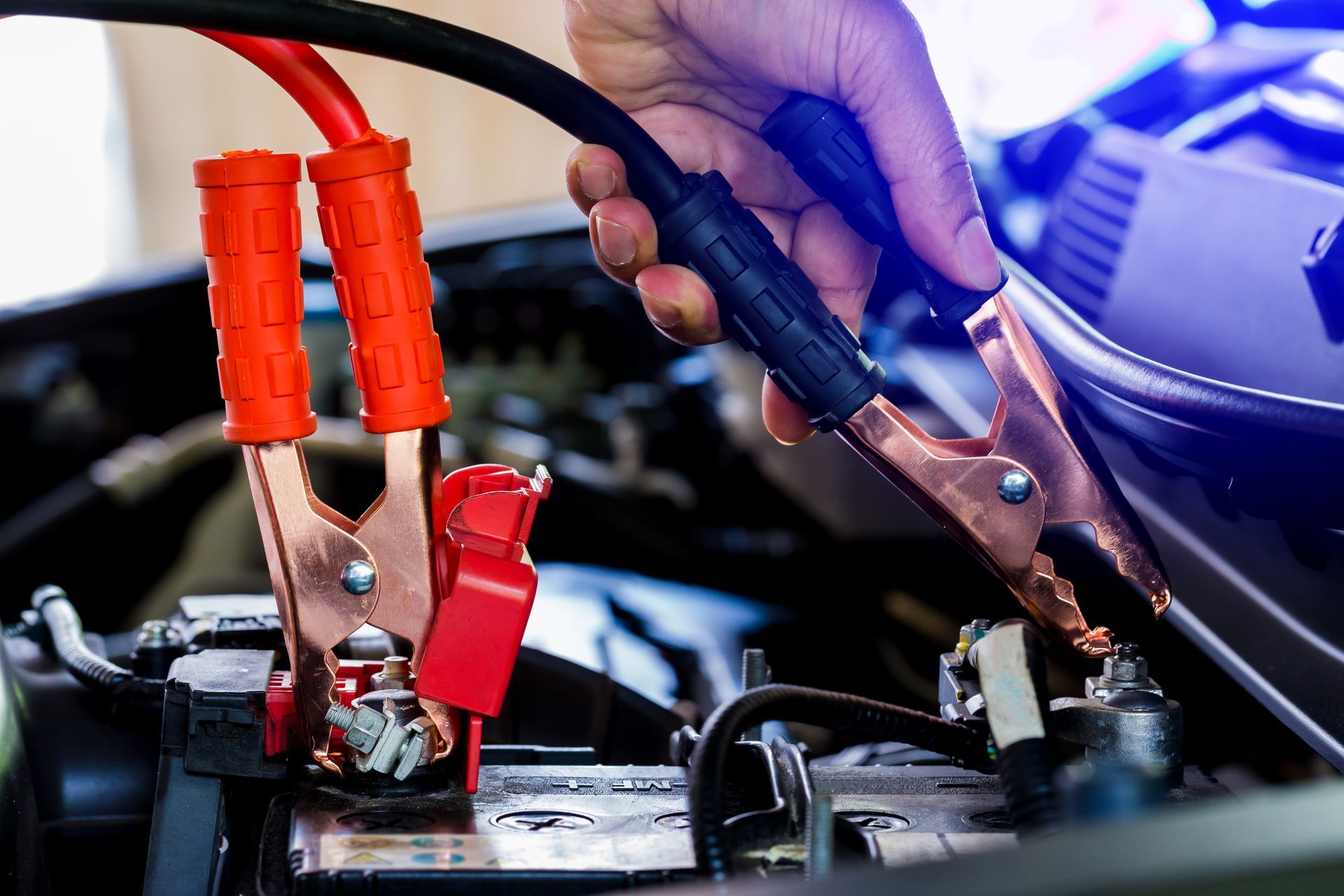
  • Jumper cables or a small jump pack
  • A tire inflator and pressure gauge
  • Reflective triangles or an LED flare and a bright flashlight
  • A blanket, some water, and simple snacks


Talk through a simple plan with family members about what to do if the car has a flat or a warning light appears on the highway. Knowing you will move to a safe shoulder, turn on hazards, stay in the vehicle, and call for help reduces panic if something does go wrong. That calm approach usually leads to better decisions and less damage.


Get New Year Car Care Help in Laguna Beach, CA with Laguna Auto Service Center


If you want to start the year with better car habits, a focused checkup is a great first step. We can look over your fluids, tires, brakes, and maintenance history, then help you build a simple service plan that fits your driving and your budget.


Schedule New Year car care with Laguna Auto Service Center in Laguna Beach, CA, and we will help you set your vehicle up for a smoother year on the road.

6 Most Common Reasons Your Car Won't Start in the Morning | Laguna Auto Service Center
November 28, 2025
Laguna Auto Service Center in Laguna Beach, CA, lists six common reasons your car might not start on cold mornings and what you can do about it.
How to Handle Driving Anxiety on Busy California Roads | Laguna Auto Service Center
October 31, 2025
Laguna Auto Service Center in Laguna Beach, CA, shares tips for staying calm behind the wheel in heavy traffic and high-stress driving conditions.
Why Is My Car Vibrating at Idle but Not While Driving? | Laguna Auto Service Center
September 26, 2025
Laguna Auto Service Center in Laguna Beach, CA, explains why a car may vibrate at idle but feel smooth while driving.
What Causes Sudden Drops in Oil Pressure? | Laguna Auto Service Center
August 29, 2025
Oil pressure is one of the most important factors in keeping your engine healthy. It ensures that oil is moving through the engine’s passages to lubricate moving parts, reduce friction, and carry away heat. A sudden drop in oil pressure can quickly lead to major damage if not addressed immediately. Understanding the possible causes can help you act fast and protect your engine. Why Oil Pressure Is So Important Your engine is made up of many fast-moving metal components. Without a steady supply of pressurized oil, these parts grind against each other, generating heat and wearing down rapidly. Oil pressure is what keeps the lubrication flowing consistently. If that pressure suddenly drops, critical engine parts like the crankshaft, camshaft, and bearings can be starved of oil within seconds, causing severe damage. Common Causes of Sudden Oil Pressure Loss Low Oil Level The most obvious cause is simply not having enough oil in the system. If oil levels drop too low due to leaks , burning oil, or neglecting oil changes, the oil pump may struggle to maintain proper pressure. Oil Pump Failure The oil pump is responsible for creating pressure and circulating oil throughout the engine. If it becomes worn or damaged, it may not be able to maintain sufficient pressure, leading to immediate warning signs on your dashboard. Blocked or Restricted Oil Passages Sludge, carbon buildup, or debris in the engine can block oil passages, restricting flow and causing a sudden drop in pressure. This is more common in engines that have gone too long between oil changes. Faulty Oil Pressure Sensor Sometimes, the issue is not mechanical but electrical. A failing oil pressure sensor can send false readings to the gauge or warning light. While this might not mean there’s actually a pressure loss, it still requires a professional check to rule out a real problem. Worn Engine Bearings Bearings create the smooth surfaces on which engine components rotate. As they wear, they create larger gaps for oil to pass through, reducing pressure. In severe cases, sudden bearing wear can cause a noticeable drop in oil pressure almost instantly. Warning Signs to Watch For An illuminated oil pressure warning light. Engine noise, such as knocking or ticking. Burning oil smell. Sudden loss of power. If you notice any of these signs, shut off the engine as soon as it’s safe to do so and have the vehicle towed to a repair facility. Why You Shouldn’t Keep Driving Continuing to drive with low oil pressure is extremely risky. Within minutes, the lack of lubrication can cause irreversible engine damage, often requiring a full rebuild or replacement. Even if the problem turns out to be a faulty sensor, it’s not worth the gamble. Treat every sudden oil pressure drop as a serious emergency until proven otherwise. Diagnosing the Cause A professional inspection will start with checking the oil level and condition. If the oil is dirty or contaminated, it can point toward sludge buildup or internal wear. Next, technicians may attach a mechanical oil pressure gauge to verify the reading from the dashboard. If the pressure is indeed low, further checks will focus on the oil pump, filter, and engine internals. If the sensor or wiring is faulty, replacing it should restore accurate readings and peace of mind. Preventing Oil Pressure Problems Regular oil changes with the correct grade and type of oil for your vehicle are the best defense against pressure issues. Using the wrong oil can affect viscosity, especially in extreme temperatures, leading to low pressure. It’s also important to check your oil level regularly, especially before long trips. Catching a low oil level early can prevent sudden drops in pressure while driving. Avoiding sludge buildup is equally important. Follow the manufacturer’s maintenance schedule , and don’t skip services that keep the oil and engine clean. Engine Protection at Laguna Auto Service Center in Laguna Beach, CA A sudden drop in oil pressure can be one of the most serious problems your engine will face. At Laguna Auto Service Center in Laguna Beach, CA, we have the tools and expertise to quickly diagnose the cause, perform necessary repairs, and help prevent future issues. Schedule your service today and protect your engine from costly damage.
Why Is Your Engine Making a Tapping Noise? | Laguna Auto Service Center
July 25, 2025
Laguna Auto Service Center in Laguna Beach, CA, explains why your engine might make a tapping noise and what it means for your car’s health.
A/C Not Cold Enough? Fix It Before the Heat Wave | Laguna Auto Service Center
June 27, 2025
Laguna Auto Service Center in Laguna Beach, CA, shares why A/C performance drops and why timely service is essential.
How Can I Tell What’s Leaking Under My Vehicle? | Laguna Auto Service Center
May 30, 2025
Laguna Auto Service Center in Laguna Beach, CA, explains how to identify common fluid leaks and what each one might mean for your vehicle.
What Causes a Car to Stutter When Shifting Gears? | Laguna Auto Service Center
April 25, 2025
Laguna Auto Service Center in Laguna Beach, CA, explains why your car might stutter when shifting and how to identify transmission issues.
Top Scenic Drives Around Laguna Beach and How to Ready Your Car for the Journey | Laguna Auto Servic
March 28, 2025
Laguna Auto Service Center in Laguna Beach, CA, highlights top scenic drives and how to prepare your car for the trip. Enjoy the views with a well-maintained vehicle.
Why Your New Car’s Steering Doesn’t Feel Right | Laguna Auto Service Center
February 28, 2025
Laguna Auto Service Center in Laguna Beach, CA, explains why your new car’s steering doesn’t feel right. Learn common causes and when to seek professional adjustments.