What Causes A Soft Brake Pedal Feeling

January 30, 2026

A soft brake pedal can turn a normal drive into a stressful one. You press the pedal, and it sinks farther than you expect. The car still stops, but the feel is not firm and predictable, which is exactly what you want from brakes.


The reason this happens is usually straightforward. Something is allowing extra movement in a system that is supposed to be sealed and solid. Below are the most common causes, along with the signs that help point you in the right direction.


What A Soft Brake Pedal Usually Means


Your braking system relies on hydraulic pressure. When you press the pedal, brake fluid transfers that force to the calipers. Brake fluid does not compress, so the pedal should feel firm. When the pedal feels soft, something is compressing or moving more than it should.


In most cases, the problem comes from air in the system, fluid loss, or a component that is no longer holding pressure correctly. It can also come from worn parts that allow the caliper pistons to sit in a less ideal position.


Air In The Brake Lines


Air is the most common reason for a spongy pedal. Air compresses, so part of your pedal effort goes into squeezing air bubbles instead of building clamping force at the wheels. Air can get into the system after brake work if bleeding was incomplete. It can also enter through a small leak.


A good clue is pedal behavior. If the pedal feels slightly better after one quick pump, air becomes more likely. It still needs proper service because the system is designed to be sealed.


Low Brake Fluid Or A Leak Starting Somewhere


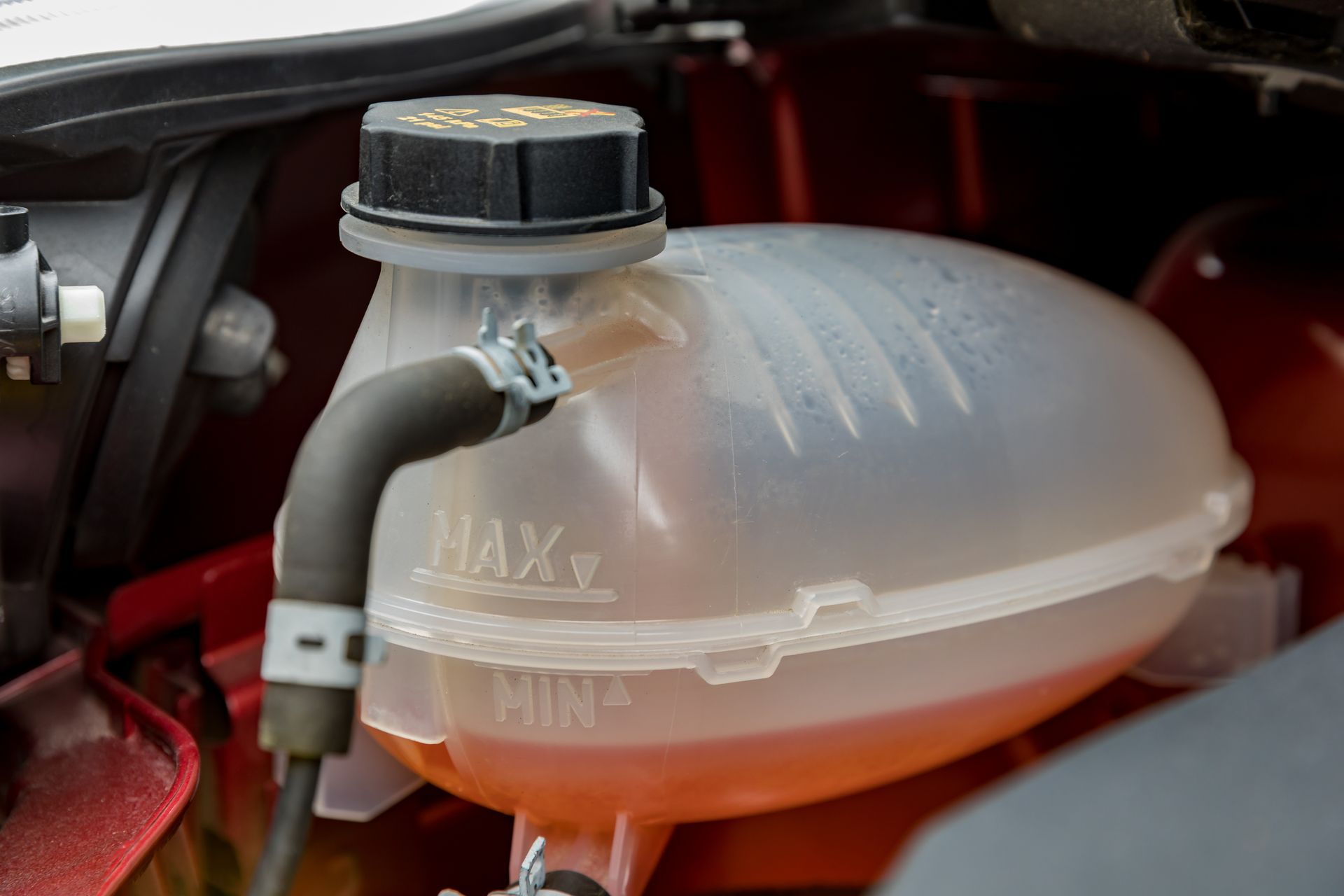
Brake fluid should remain at a stable level. If it is low, either the pads are worn, and the fluid level has dropped as pistons extend, or there is a leak. Leaks can happen at a caliper, brake hose, line connection, or at the master cylinder.


You might see dampness near a wheel or wet spots on the inner tire. Some leaks do not drip on the ground because the fluid hits hot components and evaporates. If the brake warning light is on, stop driving and have the system inspected. Braking can degrade quickly when fluid is low.


A Master Cylinder That Is Failing Internally


The master cylinder creates hydraulic pressure when you press the brake pedal. If it starts failing internally, fluid can bypass seals inside the cylinder. The pedal can then feel soft or slowly sink while you hold the brakes at a stop.


This can be confusing because you might not see external leaks. The best clue is a pedal that gradually drops while you are holding steady pressure at a light. This is a safety issue and deserves prompt diagnosis.


Brake Hoses Expanding Under Pressure


Brake hoses are designed to hold pressure, but they can weaken with age. When that happens, the hose can expand slightly during braking. That makes the pedal feel less firm because some of your pedal effort is going into expanding the hose.


This is not always easy to spot visually. It often shows up as a soft pedal that does not improve after bleeding. If hoses are old, cracked, or swollen, replacement can restore firmness and reliability.


Calipers Or Slides Not Operating Correctly


Calipers need to move and clamp evenly. If a caliper slide pin is seized or the caliper is sticking, braking can feel inconsistent. Some drivers describe it as a pedal that feels soft and then suddenly grabs. Others notice pulling to one side or uneven brake dust on one wheel.


A sticking caliper can also create excess heat. If one wheel smells hot after a short drive, or if the car does not coast as freely as it used to, caliper operation should be checked.


When You Should Stop Driving Versus Drive Carefully To A Shop


If the pedal is dropping quickly, the brake warning light is on, or the stopping distance feels longer, do not keep driving. That combination can point to fluid loss or a major pressure issue. If the pedal is only slightly soft and braking still feels consistent, drive cautiously and schedule service soon.


Avoid topping off brake fluid as a long-term solution. Adding fluid can hide a leak or worn pads. It is better to find the root cause so the fix actually lasts.


How Our Technicians Diagnose A Soft Brake Pedal


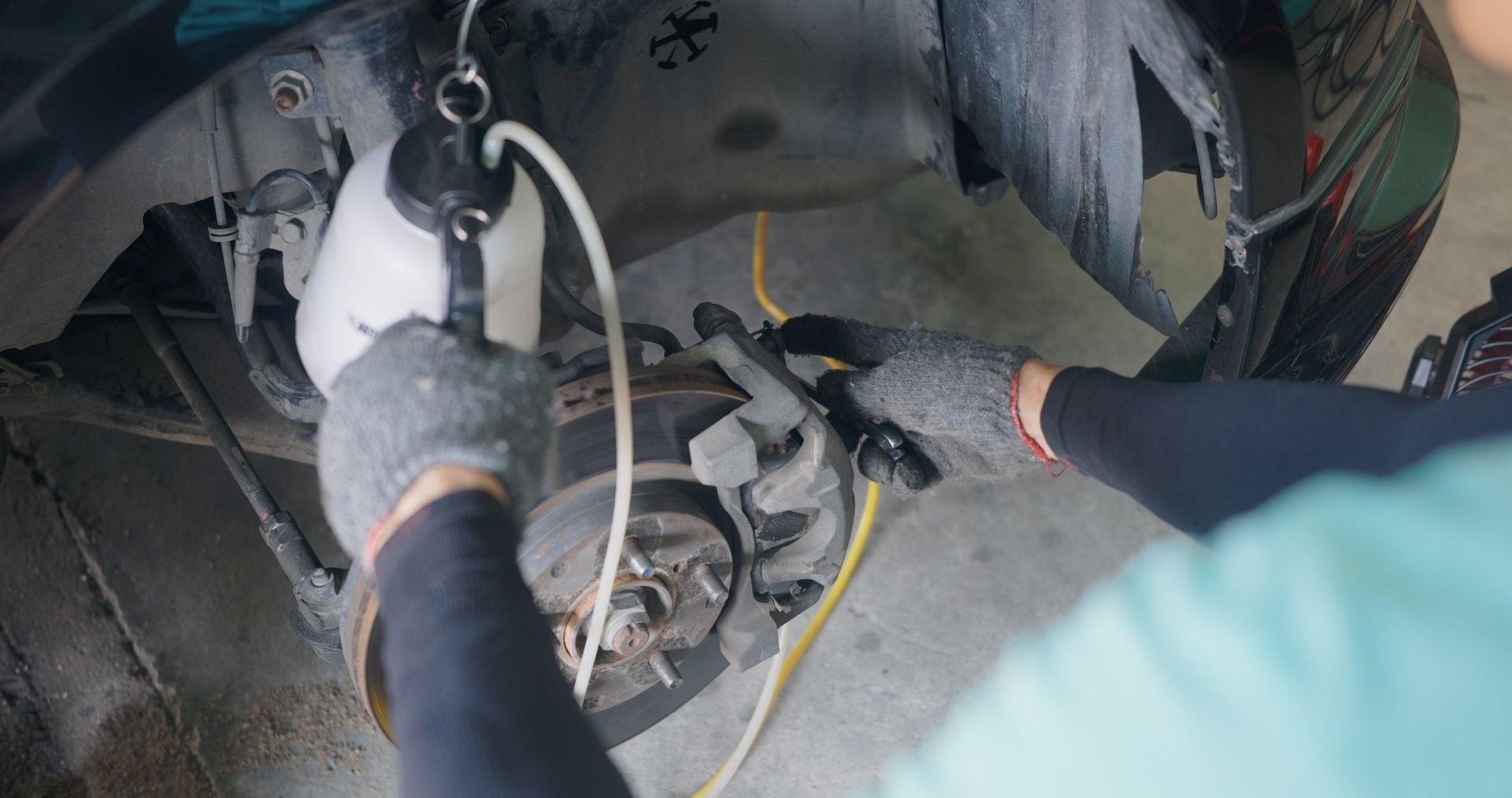
We start by checking the brake fluid level and condition. Then we inspect for leaks at calipers, hoses, and lines. We also check the brake pad condition and caliper operation. If the system is sealed, we look at bleeding quality and master cylinder performance.


At Laguna Auto Service Center, we focus on confirming the cause before recommending repairs. That is how you avoid replacing parts that are not responsible for the soft pedal feeling.


Get Brake Repair in Laguna Beach, CA with Laguna Auto Service Center


We can inspect your brakes, pinpoint why the pedal feels soft, and recommend the repair that restores firm, consistent braking. We’ll check for air in the lines, fluid leaks, master cylinder issues, hoses, and caliper operation.


Call Laguna Auto Service Center in Laguna Beach, CA, to schedule a brake inspection and get your brake pedal feeling normal again.
New Year, New Habits - 5 Best Practices to Incorporate Into Your Car Care Routine | Laguna Auto Serv
December 19, 2025
Laguna Auto Service Center in Laguna Beach, CA, shares five car care best practices to build into your New Year's routine.
6 Most Common Reasons Your Car Won't Start in the Morning | Laguna Auto Service Center
November 28, 2025
Laguna Auto Service Center in Laguna Beach, CA, lists six common reasons your car might not start on cold mornings and what you can do about it.
How to Handle Driving Anxiety on Busy California Roads | Laguna Auto Service Center
October 31, 2025
Laguna Auto Service Center in Laguna Beach, CA, shares tips for staying calm behind the wheel in heavy traffic and high-stress driving conditions.
Why Is My Car Vibrating at Idle but Not While Driving? | Laguna Auto Service Center
September 26, 2025
Laguna Auto Service Center in Laguna Beach, CA, explains why a car may vibrate at idle but feel smooth while driving.
What Causes Sudden Drops in Oil Pressure? | Laguna Auto Service Center
August 29, 2025
Oil pressure is one of the most important factors in keeping your engine healthy. It ensures that oil is moving through the engine’s passages to lubricate moving parts, reduce friction, and carry away heat. A sudden drop in oil pressure can quickly lead to major damage if not addressed immediately. Understanding the possible causes can help you act fast and protect your engine. Why Oil Pressure Is So Important Your engine is made up of many fast-moving metal components. Without a steady supply of pressurized oil, these parts grind against each other, generating heat and wearing down rapidly. Oil pressure is what keeps the lubrication flowing consistently. If that pressure suddenly drops, critical engine parts like the crankshaft, camshaft, and bearings can be starved of oil within seconds, causing severe damage. Common Causes of Sudden Oil Pressure Loss Low Oil Level The most obvious cause is simply not having enough oil in the system. If oil levels drop too low due to leaks , burning oil, or neglecting oil changes, the oil pump may struggle to maintain proper pressure. Oil Pump Failure The oil pump is responsible for creating pressure and circulating oil throughout the engine. If it becomes worn or damaged, it may not be able to maintain sufficient pressure, leading to immediate warning signs on your dashboard. Blocked or Restricted Oil Passages Sludge, carbon buildup, or debris in the engine can block oil passages, restricting flow and causing a sudden drop in pressure. This is more common in engines that have gone too long between oil changes. Faulty Oil Pressure Sensor Sometimes, the issue is not mechanical but electrical. A failing oil pressure sensor can send false readings to the gauge or warning light. While this might not mean there’s actually a pressure loss, it still requires a professional check to rule out a real problem. Worn Engine Bearings Bearings create the smooth surfaces on which engine components rotate. As they wear, they create larger gaps for oil to pass through, reducing pressure. In severe cases, sudden bearing wear can cause a noticeable drop in oil pressure almost instantly. Warning Signs to Watch For An illuminated oil pressure warning light. Engine noise, such as knocking or ticking. Burning oil smell. Sudden loss of power. If you notice any of these signs, shut off the engine as soon as it’s safe to do so and have the vehicle towed to a repair facility. Why You Shouldn’t Keep Driving Continuing to drive with low oil pressure is extremely risky. Within minutes, the lack of lubrication can cause irreversible engine damage, often requiring a full rebuild or replacement. Even if the problem turns out to be a faulty sensor, it’s not worth the gamble. Treat every sudden oil pressure drop as a serious emergency until proven otherwise. Diagnosing the Cause A professional inspection will start with checking the oil level and condition. If the oil is dirty or contaminated, it can point toward sludge buildup or internal wear. Next, technicians may attach a mechanical oil pressure gauge to verify the reading from the dashboard. If the pressure is indeed low, further checks will focus on the oil pump, filter, and engine internals. If the sensor or wiring is faulty, replacing it should restore accurate readings and peace of mind. Preventing Oil Pressure Problems Regular oil changes with the correct grade and type of oil for your vehicle are the best defense against pressure issues. Using the wrong oil can affect viscosity, especially in extreme temperatures, leading to low pressure. It’s also important to check your oil level regularly, especially before long trips. Catching a low oil level early can prevent sudden drops in pressure while driving. Avoiding sludge buildup is equally important. Follow the manufacturer’s maintenance schedule , and don’t skip services that keep the oil and engine clean. Engine Protection at Laguna Auto Service Center in Laguna Beach, CA A sudden drop in oil pressure can be one of the most serious problems your engine will face. At Laguna Auto Service Center in Laguna Beach, CA, we have the tools and expertise to quickly diagnose the cause, perform necessary repairs, and help prevent future issues. Schedule your service today and protect your engine from costly damage.
Why Is Your Engine Making a Tapping Noise? | Laguna Auto Service Center
July 25, 2025
Laguna Auto Service Center in Laguna Beach, CA, explains why your engine might make a tapping noise and what it means for your car’s health.
A/C Not Cold Enough? Fix It Before the Heat Wave | Laguna Auto Service Center
June 27, 2025
Laguna Auto Service Center in Laguna Beach, CA, shares why A/C performance drops and why timely service is essential.
How Can I Tell What’s Leaking Under My Vehicle? | Laguna Auto Service Center
May 30, 2025
Laguna Auto Service Center in Laguna Beach, CA, explains how to identify common fluid leaks and what each one might mean for your vehicle.
What Causes a Car to Stutter When Shifting Gears? | Laguna Auto Service Center
April 25, 2025
Laguna Auto Service Center in Laguna Beach, CA, explains why your car might stutter when shifting and how to identify transmission issues.
Top Scenic Drives Around Laguna Beach and How to Ready Your Car for the Journey | Laguna Auto Servic
March 28, 2025
Laguna Auto Service Center in Laguna Beach, CA, highlights top scenic drives and how to prepare your car for the trip. Enjoy the views with a well-maintained vehicle.