Low coolant is one of those problems drivers are tempted to put off. The car may still start, still move, and still seem usable for a while, so it is easy to assume the issue is minor. In reality, coolant does a critical job every minute the engine is running, and once the level drops too low, heat can build quickly.
That heat will not stay contained for long.
Why Coolant Level Matters So Much
Coolant carries heat away from the engine and moves it through the radiator, where that heat gets released. When the level is low, the system loses its ability to control temperature the way it was designed to. Hot spots develop inside the engine, and those hot spots put stress on metal parts, seals, and gaskets.
This is why low coolant is never just about topping off a fluid. The missing coolant usually points to a leak, pressure loss, or internal engine problem that needs attention. A proper inspection will show where the coolant went and whether the system is still protecting the engine the way it should.
What You Will Notice First
Most cars give a few warnings before major damage sets in. Some are obvious, while others are easy to shrug off if you are in a hurry.
- The temperature gauge starts climbing higher than normal
- The heater stops blowing warm air consistently
- You notice a sweet smell after driving
- Coolant keeps dropping in the reservoir
- Steam shows up from under the hood
- The engine runs hot in traffic or at long stoplights
Once those signs show up, the problem has already moved past a small inconvenience. If you keep driving, the engine will continue running hotter than it should, and the repair bill will rise with it.
Overheating Will Damage More Than One Part
When the coolant drops low enough, the engine will overheat. That heat affects far more than one component. The thermostat, water pump, radiator hoses, radiator, and cooling fans all work under pressure, and excessive heat pushes every part of the system harder than it was built to handle.
The engine itself takes the biggest hit. Aluminum cylinder heads expand quickly under extreme heat, and that can lead to warping. Once that happens, sealing surfaces change shape, head gaskets fail, and combustion pressure starts pushing into places it does not belong.
Low Coolant Can Turn Into Engine Damage
A lot of drivers think overheating becomes serious only when the car fully shuts down or leaves them stranded. The truth is simpler than that. Repeated overheating, even if the engine survives each trip, steadily damages internal parts and weakens gaskets and seals.
Here is where the problem gets expensive. A small external leak from a hose or plastic fitting might have been a manageable repair early on. Keep driving with low coolant, and that same issue can lead to a blown head gasket, coolant mixing with oil, rough running, misfires, and major engine work.
How The Cooling System Starts To Break Down
Low coolant levels affect the entire system in stages. Once the level drops, air pockets form, circulation gets weaker, and temperatures stop staying even across the engine.
First Stage: Poor Heat Transfer
The coolant cannot absorb and move enough heat, so engine temperatures rise faster than normal. This is often when the gauge starts creeping up.
Second Stage: Air In The System
Air pockets interrupt coolant flow and create hot spots. That creates unpredictable temperature swings, which confuse some drivers into thinking the issue comes and goes.
Third Stage: Pressure And Part Failure
As the engine runs hotter, hoses, seals, and plastic tanks are stressed harder. Weak parts start leaking faster, and the coolant loss gets worse.
Fourth Stage: Internal Damage
At this point, overheating stops being a warning and becomes real engine damage. This is where warped heads, gasket failure, and expensive repairs come into play.
Do Not Rely On Topping It Off Repeatedly
Adding coolant may buy a little time, but it does not solve the problem. If the level dropped once, there is a reason. Whether it is a leaking radiator, worn hose, failing water pump, bad cap, or internal leak, the system will keep losing coolant until the source is fixed.
That is why regular maintenance matters here. During routine service, cooling system issues are much easier to catch before they turn into overheating and engine damage. We have seen plenty of vehicles come in with what looked like a simple low coolant issue, only to find the leak had been active for weeks.
Get Cooling System Repair In Laguna Beach, CA With Laguna Auto Service Center
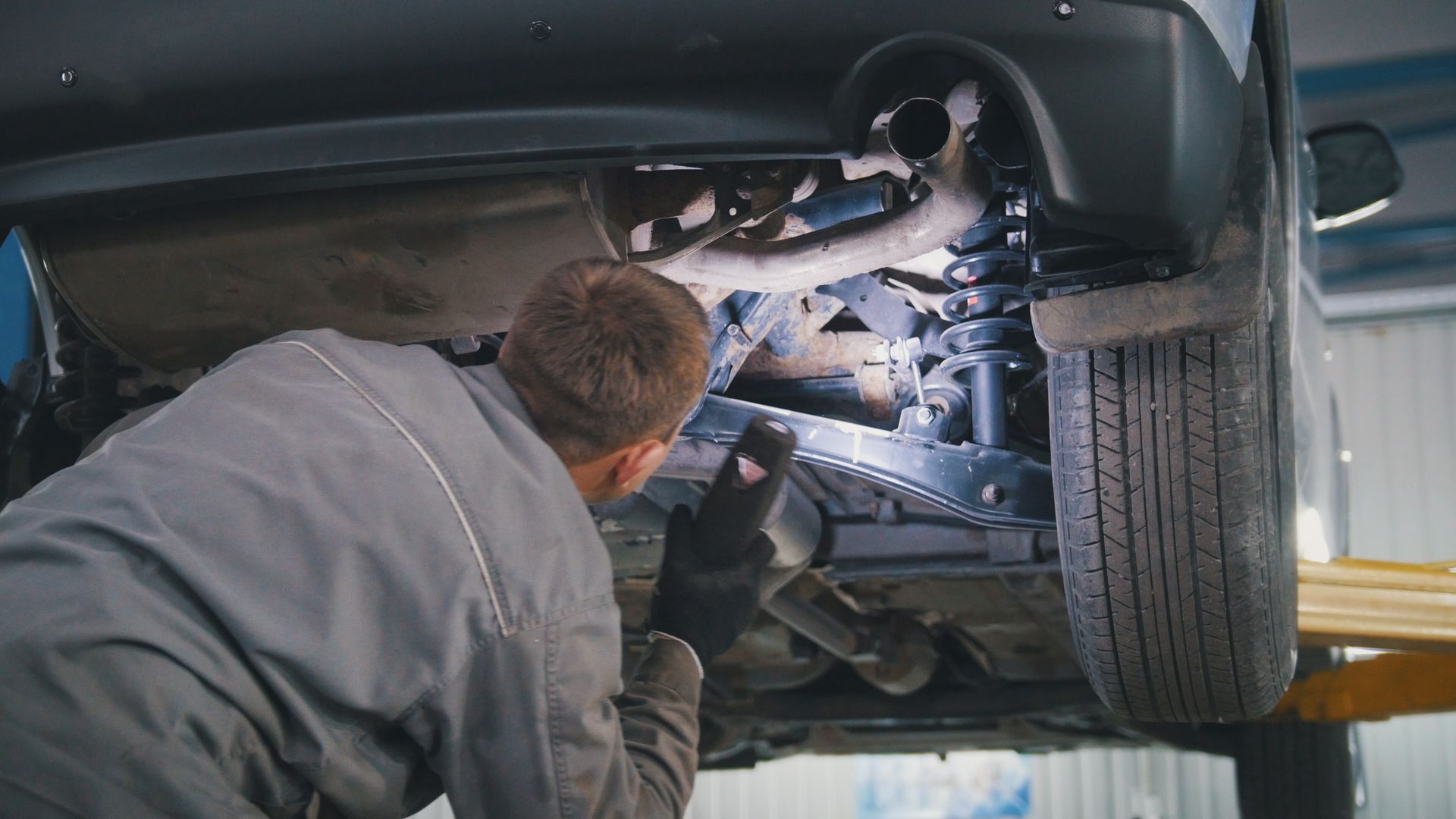
If your car is running low on coolant, Laguna Auto Service Center can inspect the system, find the cause, and fix it before overheating leads to bigger problems. Waiting usually turns a straightforward cooling system repair into engine damage that costs far more to correct.
If the temperature gauge is climbing or the coolant level keeps dropping, now is the right time to have it checked.