Why Is My Check Engine Light On if My Car Still Seems to Run Fine?

June 26, 2026

A check engine light feels strange when the car is still driving normally. No shaking. No strange sound. No smoke. You turn the key, head down the road, and everything seems fine except for that little warning glowing on the dashboard.


That is what makes this warning easy to delay. A car can feel normal while the computer has already noticed something outside the expected range. The light does not always mean the engine is about to fail, but it does mean the vehicle has stored information that should be checked before a small problem has time to grow.


The Light Can Appear Before Symptoms


Modern vehicles constantly monitor fuel, air, ignition, emissions, temperature, and sensor data. The computer can catch a problem long before the driver feels it in the seat. That is good news in one way because it gives you an early warning.


For example, the engine might still run well while a sensor reading starts to drift, a small vapor leak appears, or the fuel trim numbers begin moving too far in one direction. The car is not being picky. It is telling you something is changing before it becomes obvious.


Modern Cars Hide Small Problems Well


Engines today are good at adjusting. If the air-fuel mixture is slightly off, the computer can compensate. If a sensor reading is weak, it can use backup values for a while. If a small misfire happens only under certain conditions, the car may still feel decent during normal driving.


That ability can fool drivers. The vehicle feels fine because the system is working around the issue, not because the issue is harmless. Over time, those adjustments can affect fuel economy, emissions, catalytic converter health, or drivability.


A Loose Gas Cap Is Possible But Not Guaranteed


Many drivers hear that a check engine light could be caused by a loose gas cap. That is true in some cases. The fuel system is sealed, and a loose or damaged cap can create an evaporative emissions leak. The computer notices that the pressure isn't holding as it should, then turns on the light.


Still, it is not smart to assume every check engine light is the cap. If you tighten it and the light stays on after a few drives, the vehicle should be checked. The issue could be a cracked hose, leaking valve, damaged seal, or another part of the evaporative emissions system.


Sensors Can Report Trouble Before Parts Fail


Sensors help the engine make decisions. Oxygen sensors, mass airflow sensors, coolant temperature sensors, throttle position sensors, and crankshaft or camshaft sensors all provide information the computer uses to manage the engine.


Sometimes the sensor itself is failing. Other times, the sensor is doing its job and reporting a real problem somewhere else. An oxygen sensor code, for instance, can point toward an exhaust leak, vacuum leak, fuel delivery issue, wiring fault, or a sensor problem. That is why a code is not the same as a confirmed repair.


Emissions Problems Can Feel Invisible


Some check engine light concerns are tied to emissions. A small evaporative leak, a catalytic converter efficiency code, an oxygen sensor concern, or a fuel trim problem may not change how the car feels right away. You might drive for weeks without noticing anything beyond the light.


That does not mean the problem should be ignored. Emissions systems are connected to engine performance, fuel economy, and inspections, as applicable. A small issue can also make it harder to spot a second problem later because the warning light is already on.


Small Misfires Can Come And Go


A misfire means one or more cylinders did not burn fuel correctly. A severe misfire can make the engine shake and trigger a flashing check engine light. A light misfire can be much harder to feel.


It might happen during a cold start, under load, in damp weather, or while accelerating uphill. Spark plugs, ignition coils, fuel injectors, vacuum leaks, compression issues, and wiring faults can all play a role. If the light comes on with rough running, hesitation, or a fuel smell, the car should be checked sooner.


Why A Diagnostic Beats Waiting


Waiting for symptoms can backfire. By the time the car runs poorly, the original problem may have affected other parts. A rich fuel mixture can waste fuel. A lean mixture can cause the engine to run hotter. A misfire can stress the catalytic converter. A sensor problem can cause the computer to make poor adjustments.


A proper diagnostic looks at the code, freeze-frame data, live readings, wiring, fluid condition, vacuum leaks, and related symptoms. Regular maintenance also helps because fresh filters, good spark plugs, clean fluids, and a careful inspection give the engine a better chance of staying predictable.


Get a Check Engine Light Diagnostic In Laguna Beach, CA, With Laguna Auto Service Center


If your check engine light is on but your car still seems to run fine, Laguna Auto Service Center in Laguna Beach, CA, can read the stored information, test the related systems, and explain what needs attention.


For a clear check engine light diagnostic before the warning turns into a bigger drivability problem, contact us to schedule an appointment.

5 Engine Oil Change Mistakes That Can Shorten Engine Life | Laguna Auto Service Center
May 29, 2026
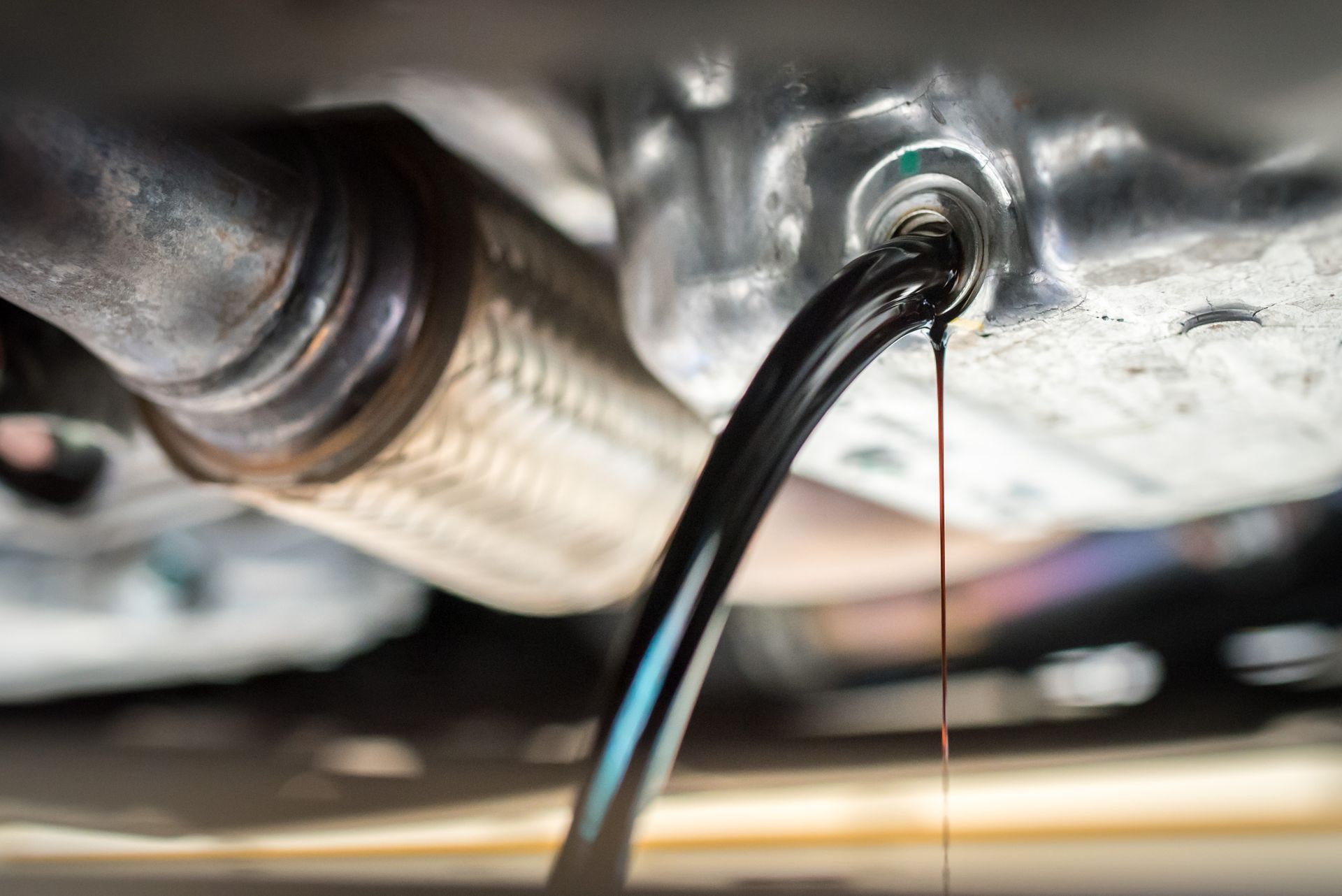
Laguna Auto Service Center in Laguna Beach, CA, explains oil change mistakes that can shorten engine life.
Are Clunking Noises A Sign That My Struts Are Shot | Laguna Auto Service Center Laguna Beach, CA
April 30, 2026
Learn whether bad struts could be the cause of the clunking sounds you’re hearing and when it is time to have your suspension inspected for safe, reliable driving.
What Happens If You Keep Driving With a Low Coolant Level? | Laguna Auto Service Center
March 27, 2026
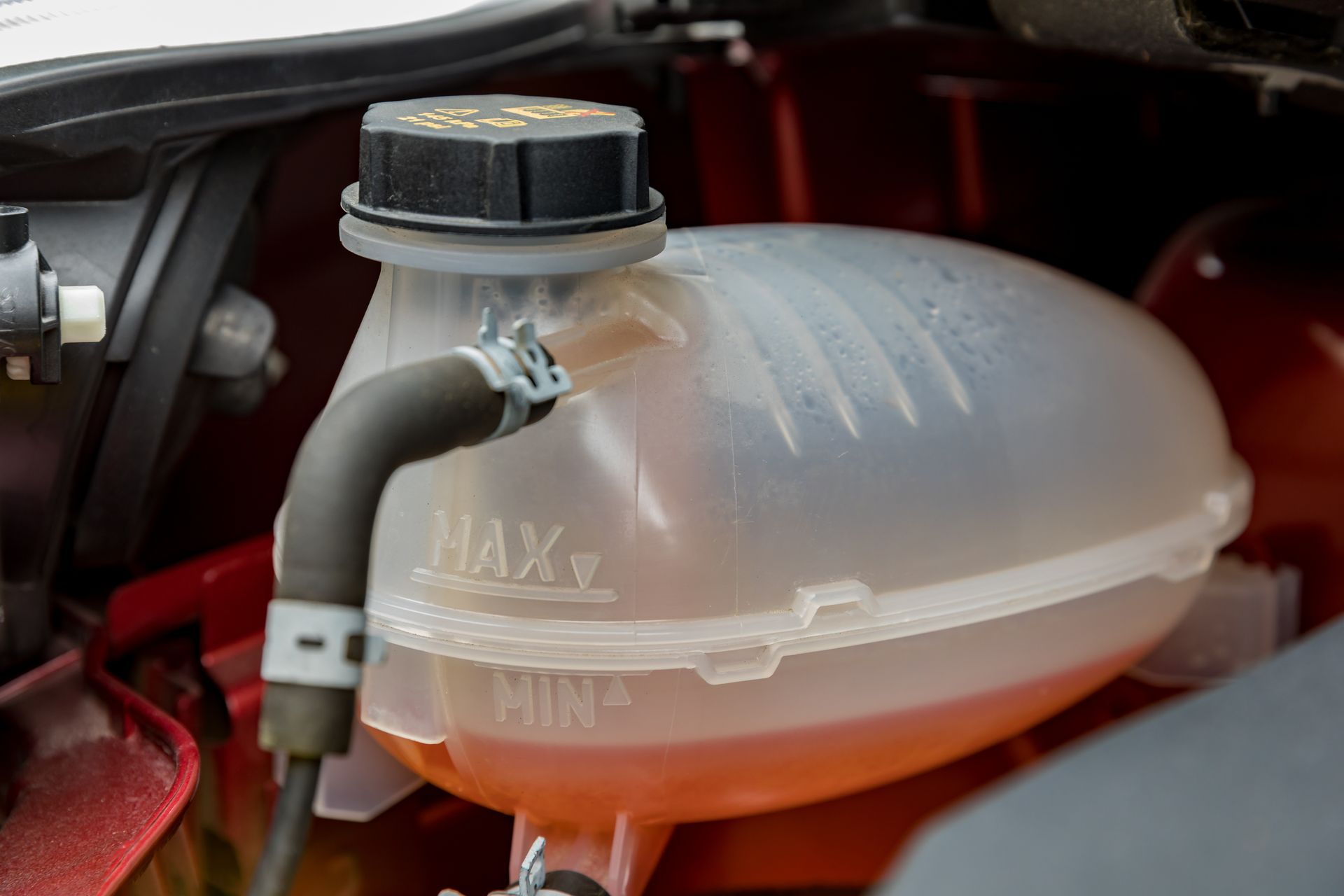
Laguna Auto Service Center in Laguna Beach, CA, explains what can happen if you keep driving with low coolant and why it risks overheating.
How Often Should You Change Your Cabin Air Filter and Can You Do It at Home? | Laguna Auto Service
February 27, 2026
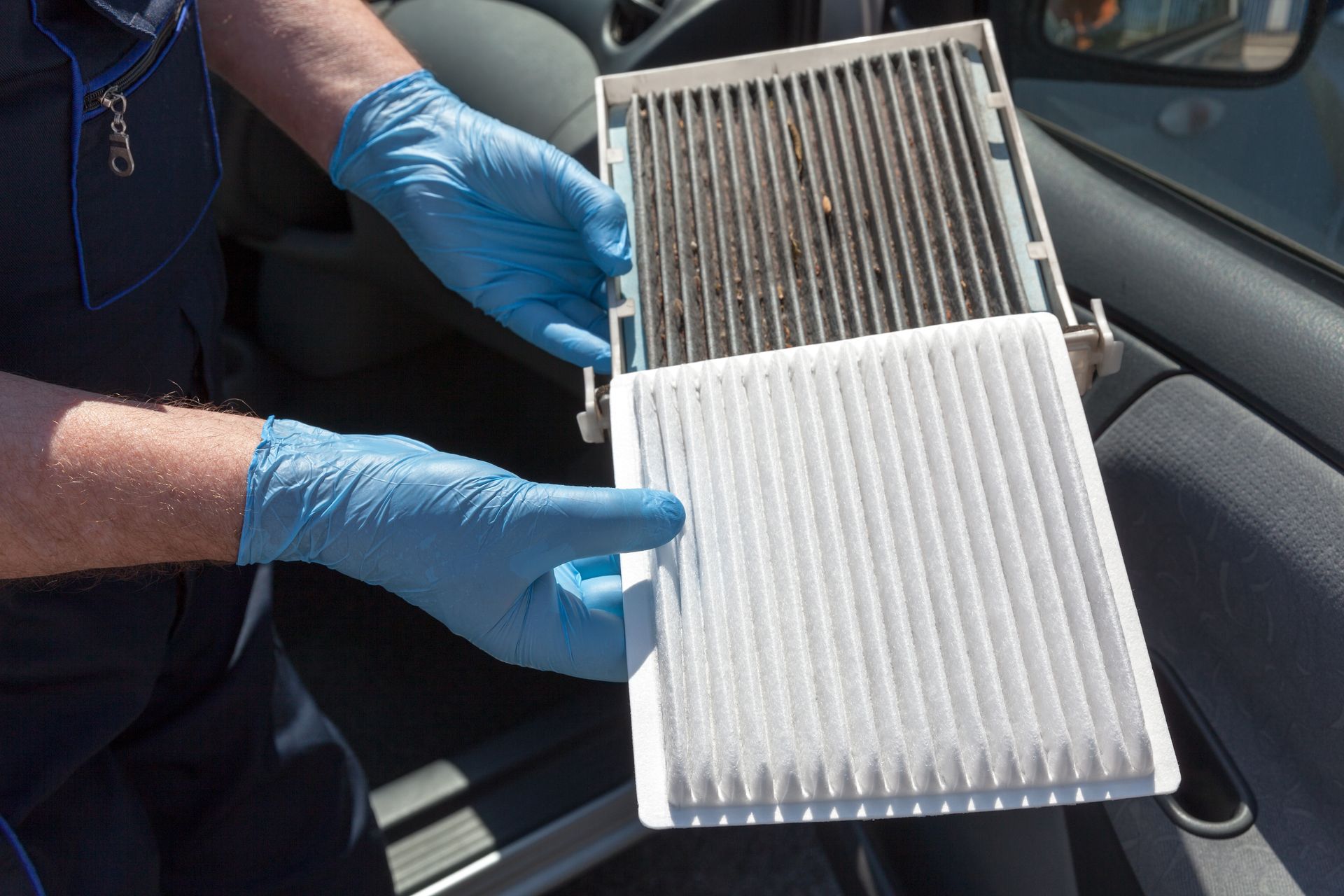
Laguna Auto Service Center in Laguna Beach, CA, explains how often to change your cabin air filter and how to do it at home.
What Causes A Soft Brake Pedal Feeling | Laguna Auto Service Center
January 30, 2026
Laguna Auto Service Center in Laguna Beach, CA, explains what causes a soft brake pedal feeling and which hydraulic or brake component issues drivers should have checked.
New Year, New Habits - 5 Best Practices to Incorporate Into Your Car Care Routine | Laguna Auto Serv
December 19, 2025
Laguna Auto Service Center in Laguna Beach, CA, shares five car care best practices to build into your New Year's routine.
6 Most Common Reasons Your Car Won't Start in the Morning | Laguna Auto Service Center
November 28, 2025
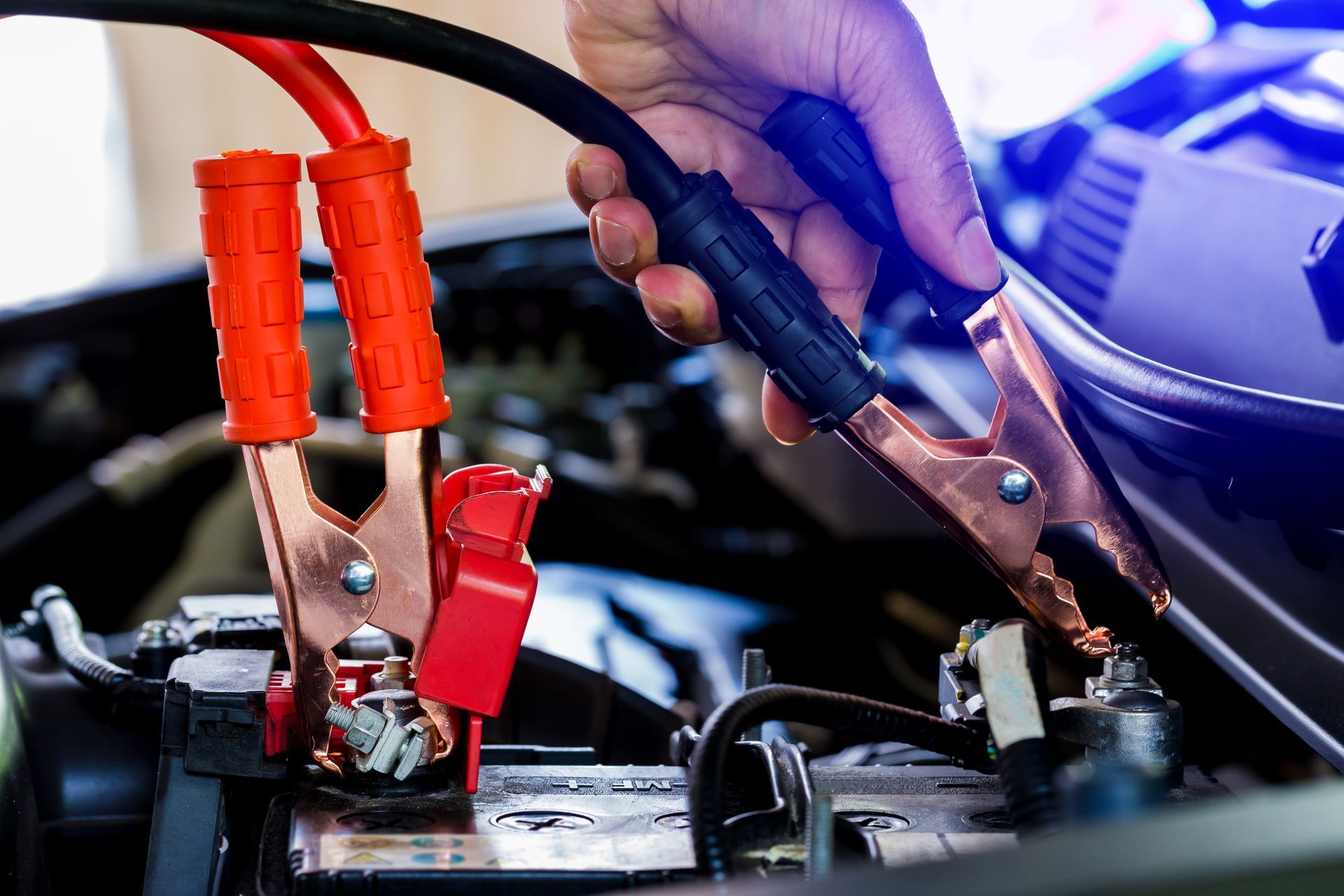
Laguna Auto Service Center in Laguna Beach, CA, lists six common reasons your car might not start on cold mornings and what you can do about it.
How to Handle Driving Anxiety on Busy California Roads | Laguna Auto Service Center
October 31, 2025
Laguna Auto Service Center in Laguna Beach, CA, shares tips for staying calm behind the wheel in heavy traffic and high-stress driving conditions.
Why Is My Car Vibrating at Idle but Not While Driving? | Laguna Auto Service Center
September 26, 2025
Laguna Auto Service Center in Laguna Beach, CA, explains why a car may vibrate at idle but feel smooth while driving.
What Causes Sudden Drops in Oil Pressure? | Laguna Auto Service Center
August 29, 2025
Oil pressure is one of the most important factors in keeping your engine healthy. It ensures that oil is moving through the engine’s passages to lubricate moving parts, reduce friction, and carry away heat. A sudden drop in oil pressure can quickly lead to major damage if not addressed immediately. Understanding the possible causes can help you act fast and protect your engine. Why Oil Pressure Is So Important Your engine is made up of many fast-moving metal components. Without a steady supply of pressurized oil, these parts grind against each other, generating heat and wearing down rapidly. Oil pressure is what keeps the lubrication flowing consistently. If that pressure suddenly drops, critical engine parts like the crankshaft, camshaft, and bearings can be starved of oil within seconds, causing severe damage. Common Causes of Sudden Oil Pressure Loss Low Oil Level The most obvious cause is simply not having enough oil in the system. If oil levels drop too low due to leaks , burning oil, or neglecting oil changes, the oil pump may struggle to maintain proper pressure. Oil Pump Failure The oil pump is responsible for creating pressure and circulating oil throughout the engine. If it becomes worn or damaged, it may not be able to maintain sufficient pressure, leading to immediate warning signs on your dashboard. Blocked or Restricted Oil Passages Sludge, carbon buildup, or debris in the engine can block oil passages, restricting flow and causing a sudden drop in pressure. This is more common in engines that have gone too long between oil changes. Faulty Oil Pressure Sensor Sometimes, the issue is not mechanical but electrical. A failing oil pressure sensor can send false readings to the gauge or warning light. While this might not mean there’s actually a pressure loss, it still requires a professional check to rule out a real problem. Worn Engine Bearings Bearings create the smooth surfaces on which engine components rotate. As they wear, they create larger gaps for oil to pass through, reducing pressure. In severe cases, sudden bearing wear can cause a noticeable drop in oil pressure almost instantly. Warning Signs to Watch For An illuminated oil pressure warning light. Engine noise, such as knocking or ticking. Burning oil smell. Sudden loss of power. If you notice any of these signs, shut off the engine as soon as it’s safe to do so and have the vehicle towed to a repair facility. Why You Shouldn’t Keep Driving Continuing to drive with low oil pressure is extremely risky. Within minutes, the lack of lubrication can cause irreversible engine damage, often requiring a full rebuild or replacement. Even if the problem turns out to be a faulty sensor, it’s not worth the gamble. Treat every sudden oil pressure drop as a serious emergency until proven otherwise. Diagnosing the Cause A professional inspection will start with checking the oil level and condition. If the oil is dirty or contaminated, it can point toward sludge buildup or internal wear. Next, technicians may attach a mechanical oil pressure gauge to verify the reading from the dashboard. If the pressure is indeed low, further checks will focus on the oil pump, filter, and engine internals. If the sensor or wiring is faulty, replacing it should restore accurate readings and peace of mind. Preventing Oil Pressure Problems Regular oil changes with the correct grade and type of oil for your vehicle are the best defense against pressure issues. Using the wrong oil can affect viscosity, especially in extreme temperatures, leading to low pressure. It’s also important to check your oil level regularly, especially before long trips. Catching a low oil level early can prevent sudden drops in pressure while driving. Avoiding sludge buildup is equally important. Follow the manufacturer’s maintenance schedule , and don’t skip services that keep the oil and engine clean. Engine Protection at Laguna Auto Service Center in Laguna Beach, CA A sudden drop in oil pressure can be one of the most serious problems your engine will face. At Laguna Auto Service Center in Laguna Beach, CA, we have the tools and expertise to quickly diagnose the cause, perform necessary repairs, and help prevent future issues. Schedule your service today and protect your engine from costly damage.