Brake fluid rarely gets the same attention as brake pads and rotors because there is usually nothing obvious to see wearing out. The fluid can remain in the reservoir for years while the brakes still seem to work normally, which makes it easy to assume that replacing it is unnecessary.
The reality is that brake fluid works under heat and pressure every time you press the pedal. Its condition can gradually change with age, and contaminated fluid can affect braking performance as well as expensive hydraulic components. A brake fluid flush is not something every vehicle needs at the same mileage, but when the fluid is due, the service can be worthwhile.
What Brake Fluid Actually Does
When you press the brake pedal, the master cylinder uses brake fluid to transfer hydraulic pressure through the brake lines to the calipers or wheel cylinders. That pressure is what allows the brakes at each wheel to apply.
Brake fluid also has to tolerate high temperatures. Braking creates substantial heat, particularly during mountain driving, repeated hard stops, towing, or heavy traffic. The fluid needs to remain stable enough to transmit pressure without boiling under those conditions.
Why Brake Fluid Changes With Age
Most common automotive brake fluids are hygroscopic, meaning they absorb moisture over time. Small amounts of moisture can enter through seals, hoses, and normal exposure to the atmosphere even when there is no obvious leak.
As the water content rises, the fluid's boiling point drops. Moisture can also contribute to corrosion inside the master cylinder, ABS hydraulic unit, calipers, and metal brake lines. The process is gradual, so the driver may not notice any immediate difference at the pedal.
What Happens If Brake Fluid Gets Too Contaminated?
Brake fluid that contains excessive moisture is more likely to boil when brake temperatures become high. If that happens, vapor can form inside the hydraulic system. Unlike liquid, vapor compresses, which can result in a soft or unusually long brake pedal.
Contaminated fluid can also encourage corrosion in components that are expensive to replace. ABS hydraulic control units contain small valves and passages that depend on clean fluid. Keeping the fluid within the manufacturer's recommended condition helps protect the entire hydraulic system, not just the brake calipers.
Is a Brake Fluid Flush Different From Topping It Off?
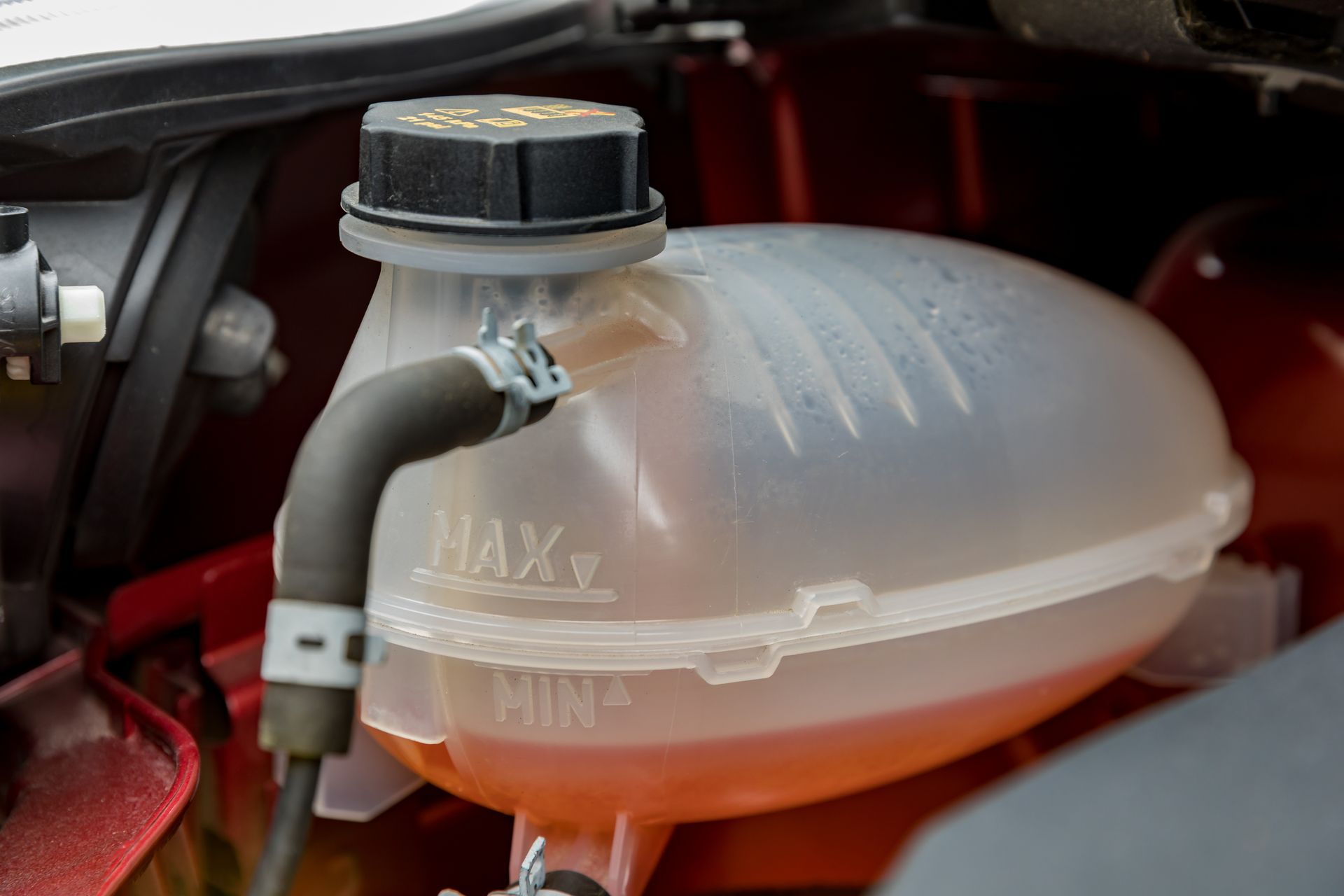
Yes. Adding brake fluid to the reservoir only raises the fluid level. It does not remove old fluid, moisture, or contamination from the lines, calipers, and ABS-related hydraulic passages.
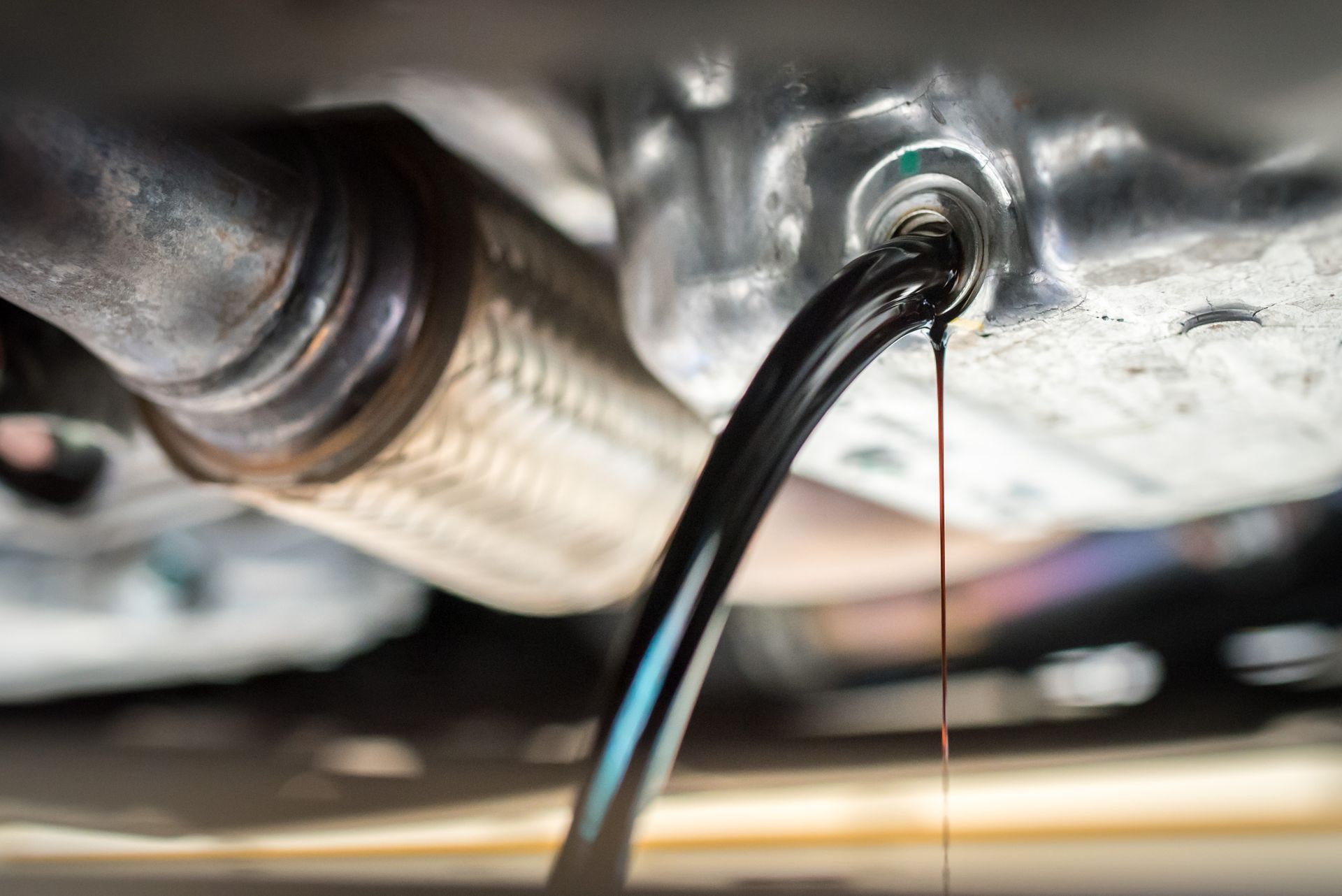
A proper flush replaces old fluid with fresh fluid of the correct specification while moving it through the braking system. The process also allows technicians to observe the condition of the old fluid and confirm that clean fluid is reaching each service point.
If the brake fluid level is low, that should also be investigated rather than automatically topped off. The level naturally drops somewhat as brake pads wear, but a significant or sudden loss can indicate a hydraulic leak.
How Often Should Brake Fluid Be Flushed?
There is no single interval that applies to every vehicle. Some manufacturers specify brake fluid replacement by time, often every few years, while others recommend checking fluid condition and replacing it when needed.
Climate, driving habits, and vehicle use can influence the interval. A car driven regularly in humid conditions, heavy traffic, or mountainous areas may place different demands on the braking system than a lightly used vehicle. Manufacturer service information should be the starting point, followed by the actual condition of the fluid.
During regular maintenance, technicians may also use a brake fluid tester or other approved method to evaluate moisture content or fluid condition. Visual appearance alone is not always enough because fluid can look reasonably clean while still containing more moisture than it should.
Does Dark Brake Fluid Automatically Mean It Needs a Flush?
Dark fluid can indicate age, contamination, or deterioration, but color alone does not tell the full story. Brake fluid can darken naturally after years of heat cycles and contact with internal rubber components.
A better decision comes from considering age, manufacturer recommendations, moisture content, contamination, and service history together. If the vehicle has no record of a brake fluid service and the fluid has been in use for many years, an inspection can help determine whether replacement is overdue.
Why the Correct Brake Fluid Specification Is Important
Brake fluids are not all interchangeable. Vehicles may require DOT 3, DOT 4, DOT 5.1, or another manufacturer-approved specification depending on the braking system.
The wrong fluid can affect boiling performance, seal compatibility, and system operation. DOT 5 silicone-based fluid is especially different from conventional glycol-based brake fluids and should not be mixed into systems that were not designed for it.
Using the correct specification is part of doing the service properly. A flush is only beneficial when the replacement fluid meets the requirements established for the vehicle.
Is a Brake Fluid Flush Worth the Cost?
For a vehicle that is actually due for the service, the cost is modest compared with replacing a corroded master cylinder, caliper, brake line, or ABS hydraulic unit. The service helps maintain the hydraulic side of the brake system, an area that can otherwise receive little attention until something goes wrong.
That does not mean brake fluid should be flushed unnecessarily at every oil change or brake pad replacement. The service should be based on the vehicle's schedule, fluid condition, and history. When those factors indicate the fluid is due, replacing it is preventive service rather than an optional add-on.
Brake Fluid Service Does Not Replace a Complete Brake Check
Fresh brake fluid cannot compensate for thin pads, damaged rotors, leaking calipers, worn hoses, or other mechanical brake problems. The hydraulic fluid is only one part of the overall braking system.
A brake service visit is also a useful time to check pad thickness, rotor condition, hoses, lines, calipers, and visible leaks. Looking at the complete system helps determine whether the vehicle needs only fluid service or whether other brake work should be planned.
Get a Brake Fluid Flush in Laguna Beach, CA, With Laguna Auto Service Center
Laguna Auto Service Center in Laguna Beach, CA, can check your brake fluid condition, review your vehicle's service requirements, and determine whether a flush is due.
If your brake fluid has never been replaced, the service history is unclear, or you want the braking system checked before an upcoming trip,
contact us to schedule service.