A small windshield chip gives you a chance to repair the glass before a larger crack forces replacement. The sooner it's assessed, the easier it is to find out whether repair is still an option. Dirt, moisture, and spreading cracks all make that decision more complicated.
Size is only one part of the inspection. The chip's depth, location, and condition determine whether it can be repaired safely. For Laguna Beach drivers, checking it promptly helps preserve visibility and the opportunity to keep the original windshield instead of paying for new glass and any related equipment work.
Which Windshield Chips Are Repairable
Most vehicle windshields use laminated glass: two glass layers with a plastic interlayer between them. A repairable chip usually affects the outer layer in a way a technician can stabilize with the proper material and procedure.
The technician examines the impact shape, any radiating cracks, and the depth of damage. A small, isolated chip away from critical viewing areas offers a different repair opportunity than damage that reaches the edge or affects both glass layers.
Two chips of the same width can need different treatment. One may be shallow and well away from the driver's view; another may affect a deeper layer or sit near an edge. Have the damage assessed before buying a kit so you know whether the repair fits that particular windshield.
How Professional Auto Glass Repair Works
For a repairable chip, the technician prepares the damaged area and fills it with a specialized resin. The resin is cured, and the surface is finished as the procedure requires. Filling the damaged space helps stabilize the chip and improve the glass in that area without removing the windshield.
Cleaning and preparation matter because moisture and debris can prevent the repair material from reaching the damage. Professional tools and techniques help manage those conditions and assess whether the chip remains a sound repair candidate.
Ask what the repaired area will look like. A successful repair can still leave a visible mark, especially where you notice the chip every day. Knowing that ahead of time helps you choose with realistic expectations about appearance as well as preventing the damage from spreading.
Why Windshield Chips Turn Into Cracks
Glass responds to changes in temperature and load. Heating or cooling damaged glass unevenly creates stress around the injury. Vibration and normal body movement add another source of strain while you drive.
That helps explain the familiar experience of a tiny chip becoming a long crack overnight or after another trip. A windshield that looked manageable yesterday may need replacement once the damage extends into a critical area.
Avoid pouring hot or very cold water onto chipped glass. Sudden temperature changes add stress around the damaged area. Arrange a check promptly instead of waiting until the next routine car service, because a spreading crack can turn an otherwise repairable chip into a replacement job.
When Windshield Replacement Is Needed
Damage that blocks the driver's view, reaches an edge, spreads extensively, or affects the inner glass layer often needs replacement. The technician reviews the location and depth against the repair standard for that windshield. If repair won't preserve safe visibility and glass condition, replacement is the option to discuss.
A windshield is part of the vehicle's safety structure as well as its view of the road. The repair choice needs to account for both functions. If damage blocks your view or is actively spreading, get advice about safe use before continuing to drive.
For an auto glass assessment, note:
- When the impact happened
- Whether the damage has grown
- Any temporary repair product already used
- The damage location relative to your view
- The vehicle's model and windshield equipment
Avoid pushing on the chip or adding household glue. Those attempts can contaminate the area and make a professional assessment or repair more difficult.
Sensors and Calibration During Windshield Replacement
Some windshields include rain sensors, heating, acoustic layers, or equipment for a head-up display. Many modern vehicles also mount a forward-facing camera near the windshield. Those features influence the correct replacement glass and the finishing procedures.
After replacement, camera calibration may be required by the vehicle manufacturer. That process is separate from attaching the glass and helps the driver assistance system interpret its view correctly. A complete estimate should identify required calibration instead of leaving it as a surprise.
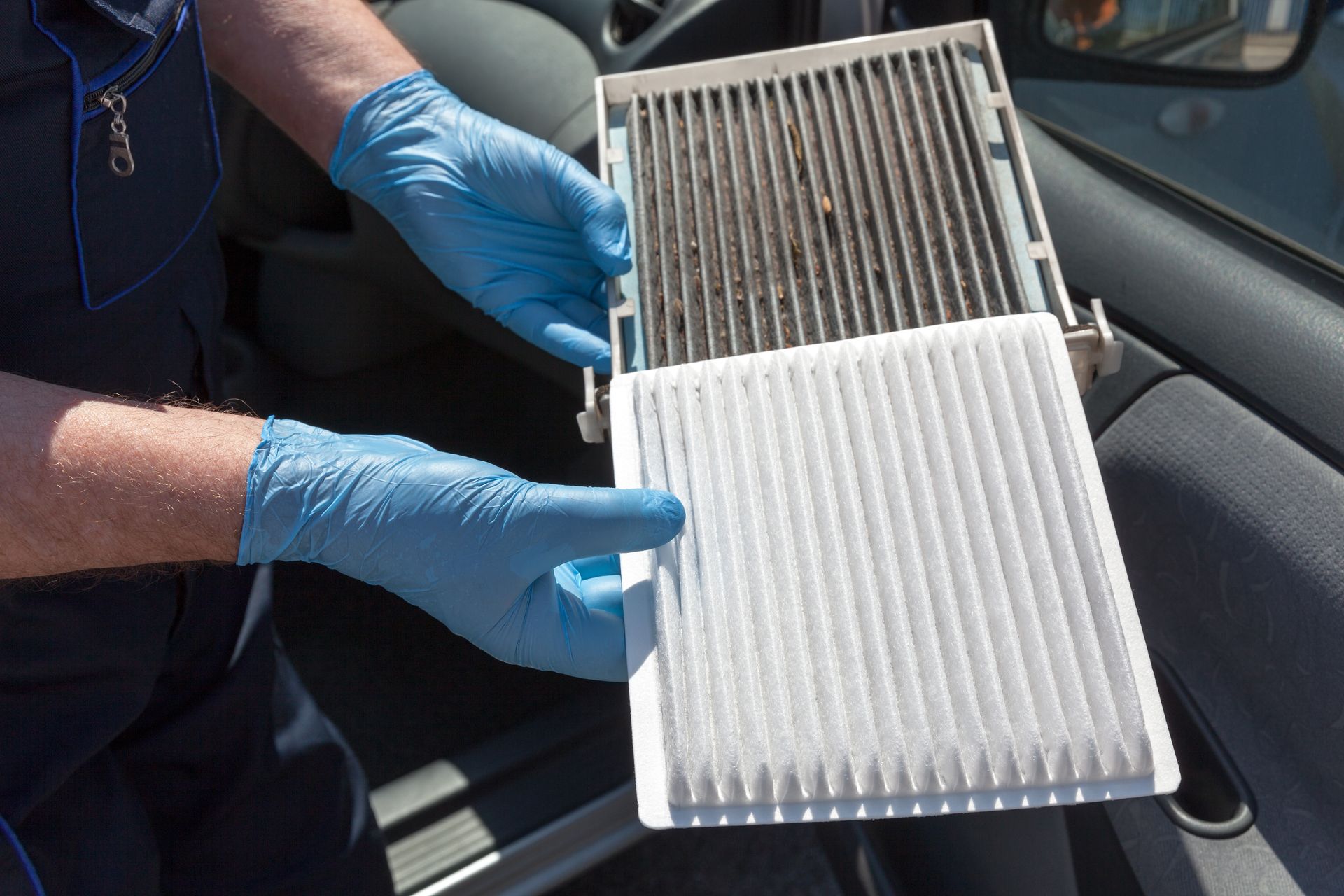
Adhesive curing and the safe drive-away time also need clear instructions. Follow the installer's guidance for your vehicle and the materials used. Proper installation involves preparation, fit, bonding, and any required equipment checks.
Comparing Auto Glass Repair and Replacement Costs
Repair usually uses less material and labor than replacing the windshield. This is especially true for glass that carries sensors, heating, or other equipment. Get a quote after assessment so the price reflects the actual damage and the available repair.
Insurance coverage varies. Check the deductible and approval requirements before assuming the job is covered, then compare that option with the direct repair price. If replacement is needed, the correct glass, installation, and required calibration belong in the budget. They protect the windshield's safety functions as well as your view.
Auto Glass Repair at Laguna Auto Service Center
Laguna Auto Service Center in Laguna Beach, CA, can discuss windshield damage and the available service arrangements for your vehicle. Send or bring a clear photo and mention any spreading. We'll review the next steps so you can find out whether repair or replacement is the right option.
Contact
Laguna Auto Service Center about auto glass repair before a small chip grows into a larger crack.